What Iceland taught me after it broke my camera
Iceland was a lesson in persistence. The conditions made sure of that.
Long days. Long drives from Reykjavik to Vestrahorn, taking in Fjallsárlón, Jökulsárlón, Reynisfjara, Seljalandsfoss, Skógafoss and Vikurfjara. Wind that hardly stopped. Rain by the bucket load. Up for breakfast, out battling the elements, back for dinner, rinse and repeat.
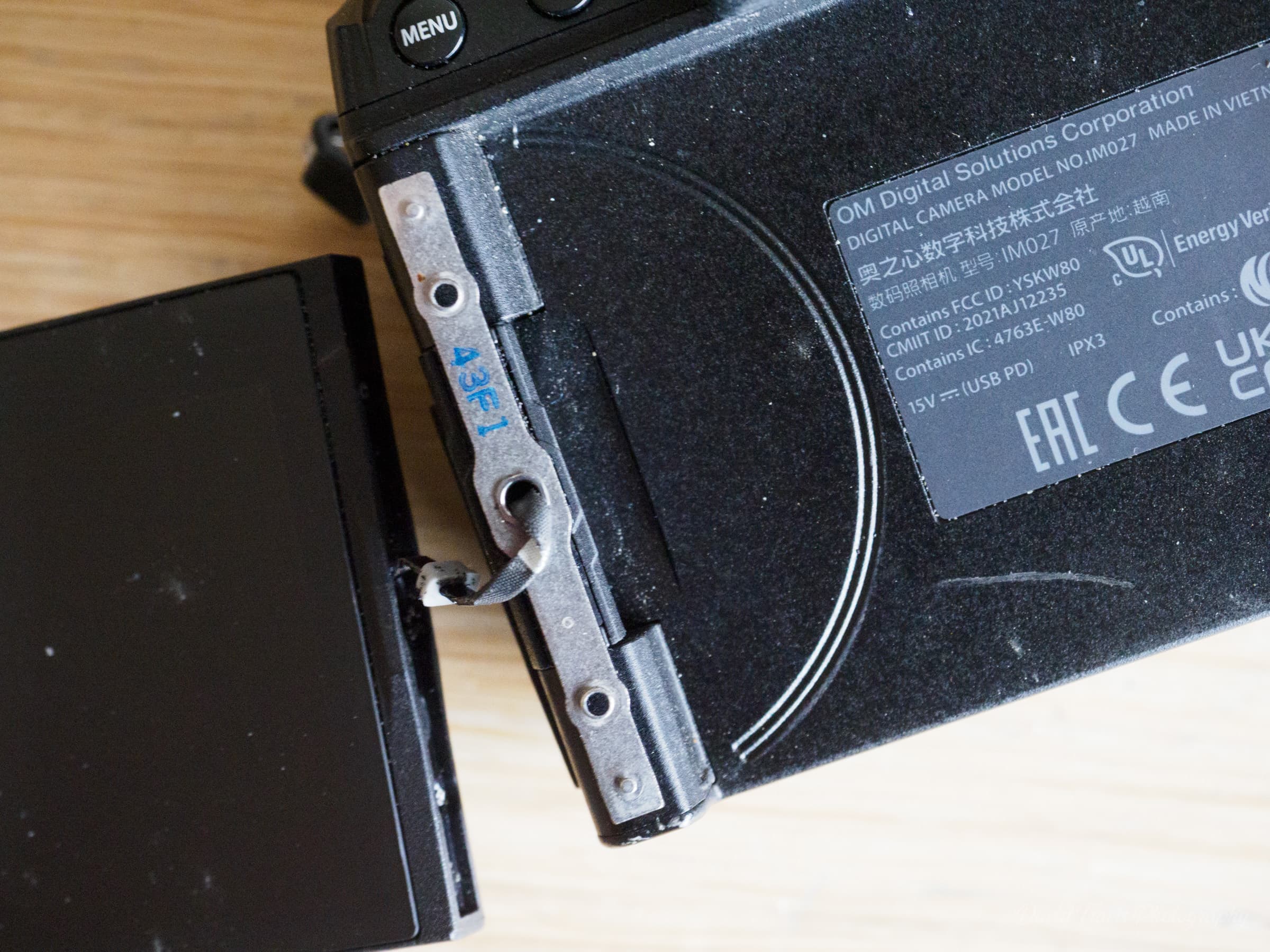
My lesson in persistence began in earnest on the first hour of my first photo shoot at Vestrahorn. My tripod was caught by the wind and my OM-1 smashed. Now I didn’t have the camera I needed for this trip of a lifetime.
OM-1 meets Iceland wind
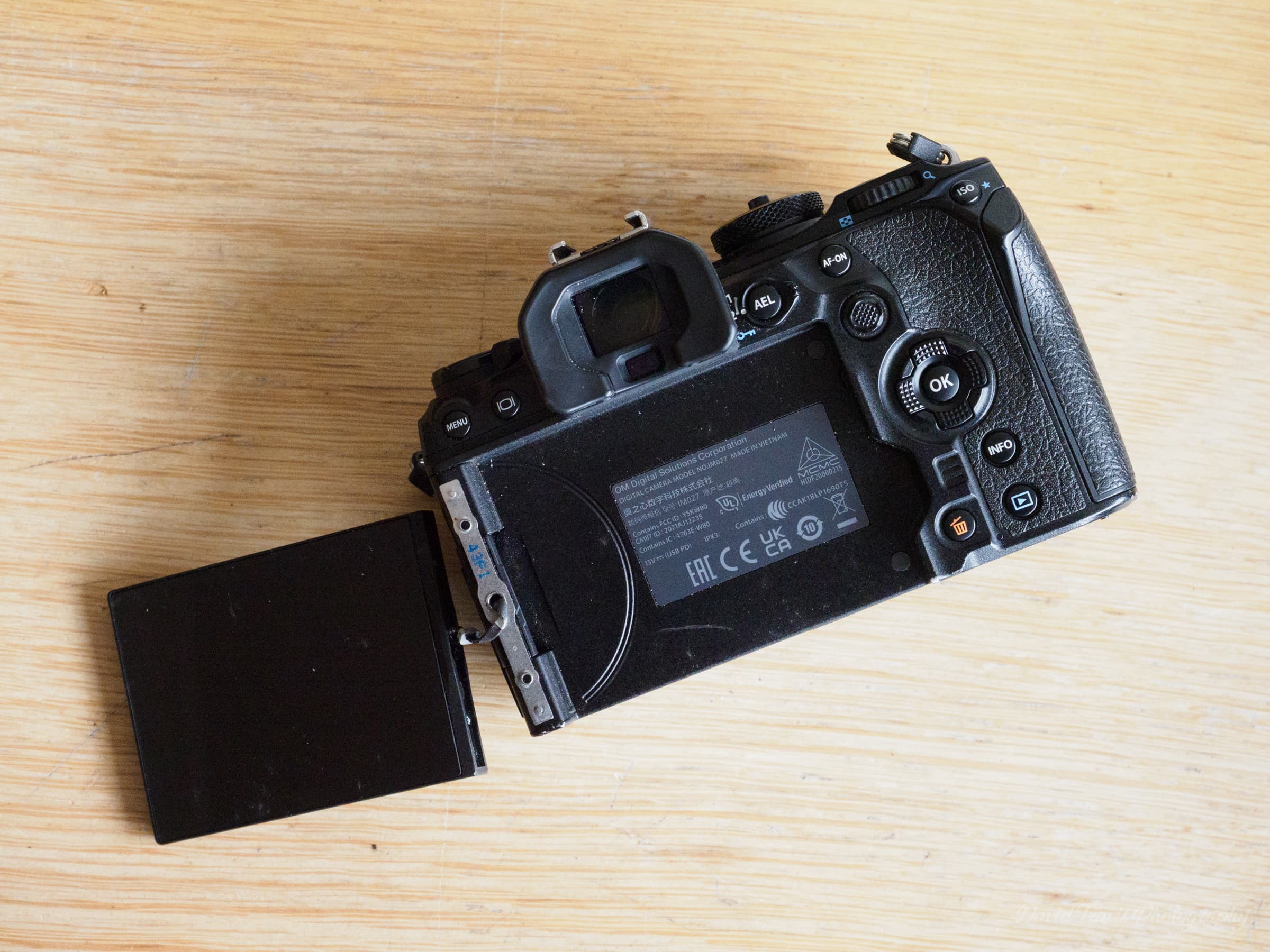
Close-up view of the damage
What surprised me was what happened next.
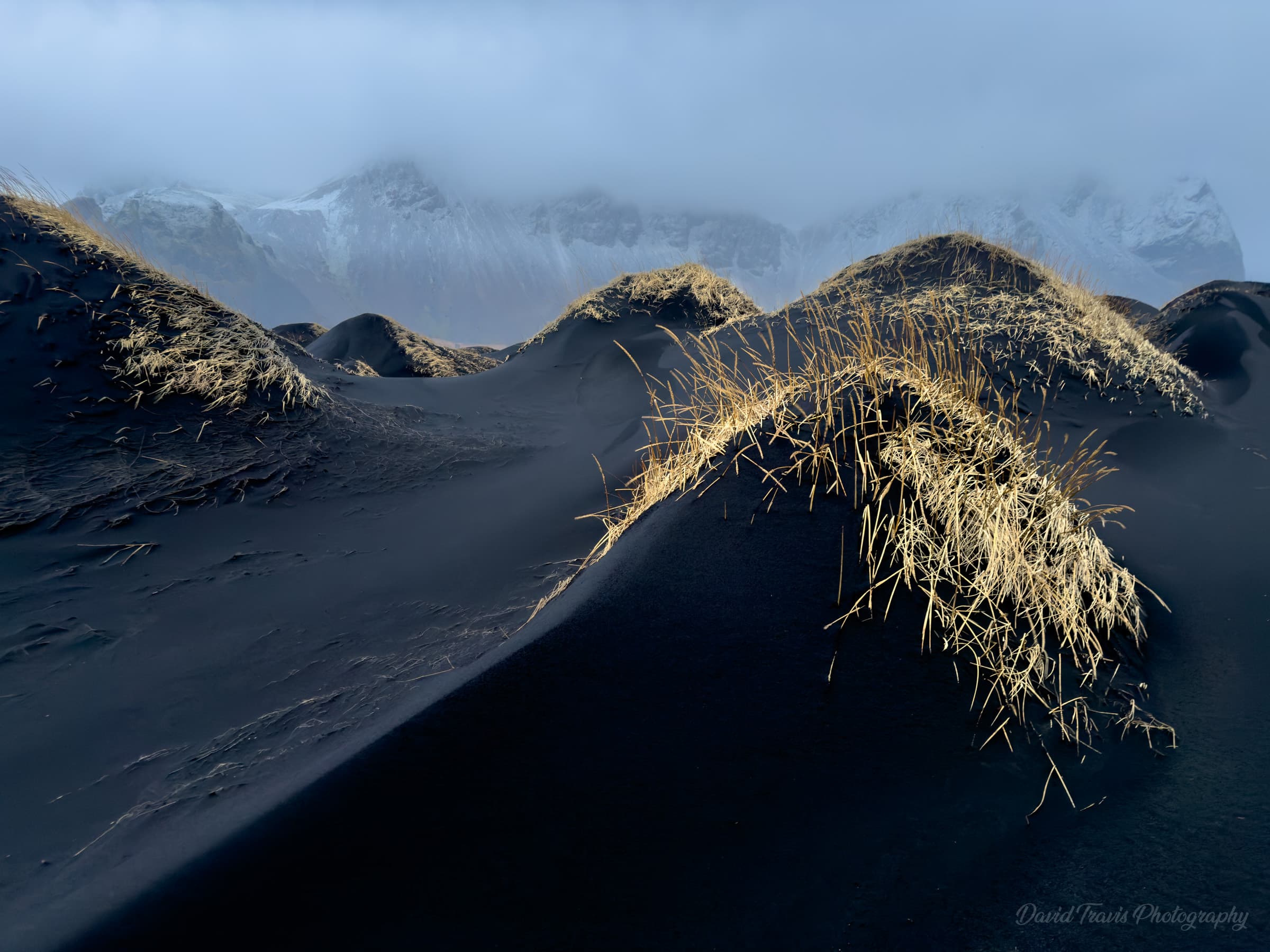
I spent the rest of that morning shooting with my iPhone, and I felt much freer when I was using it. I could play with different views rather than obsess over a single composition.
Vestrahorn sand patterns
Apple iPhone 17 Pro and iPhone 17 Pro back triple camera 6.8mm f/1.78 (35 mm equivalent: 24.0 mm). 1/40s at f/1.8, ISO 320.
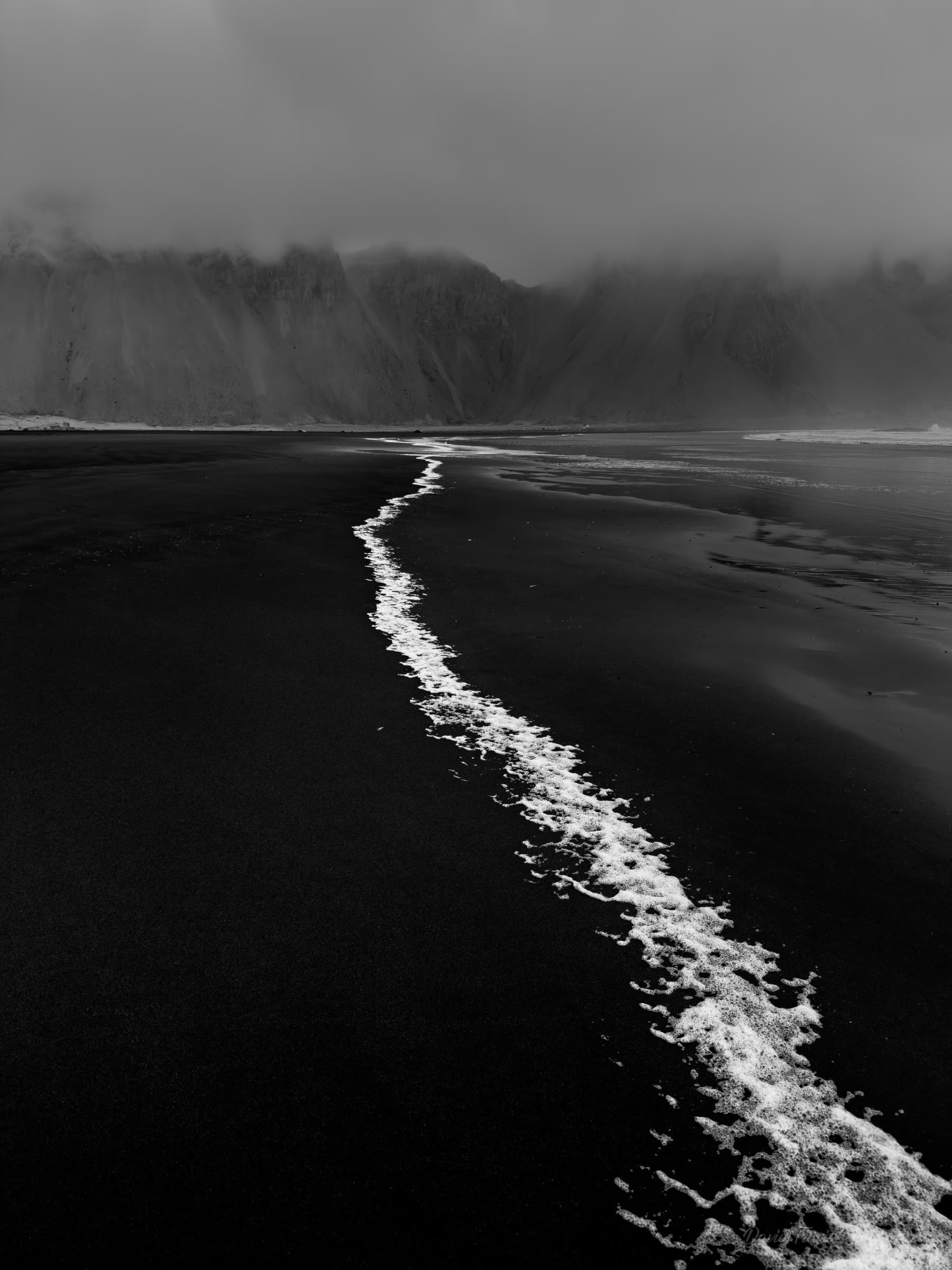
More importantly, it kept me moving. Shooting handheld made persistence feel liberating rather than exhausting.
Tidal line
Apple iPhone 17 Pro and iPhone 17 Pro back triple camera 6.8mm f/1.78 (35 mm equivalent: 24.0 mm). 1/140s at f/1.8, ISO 50.
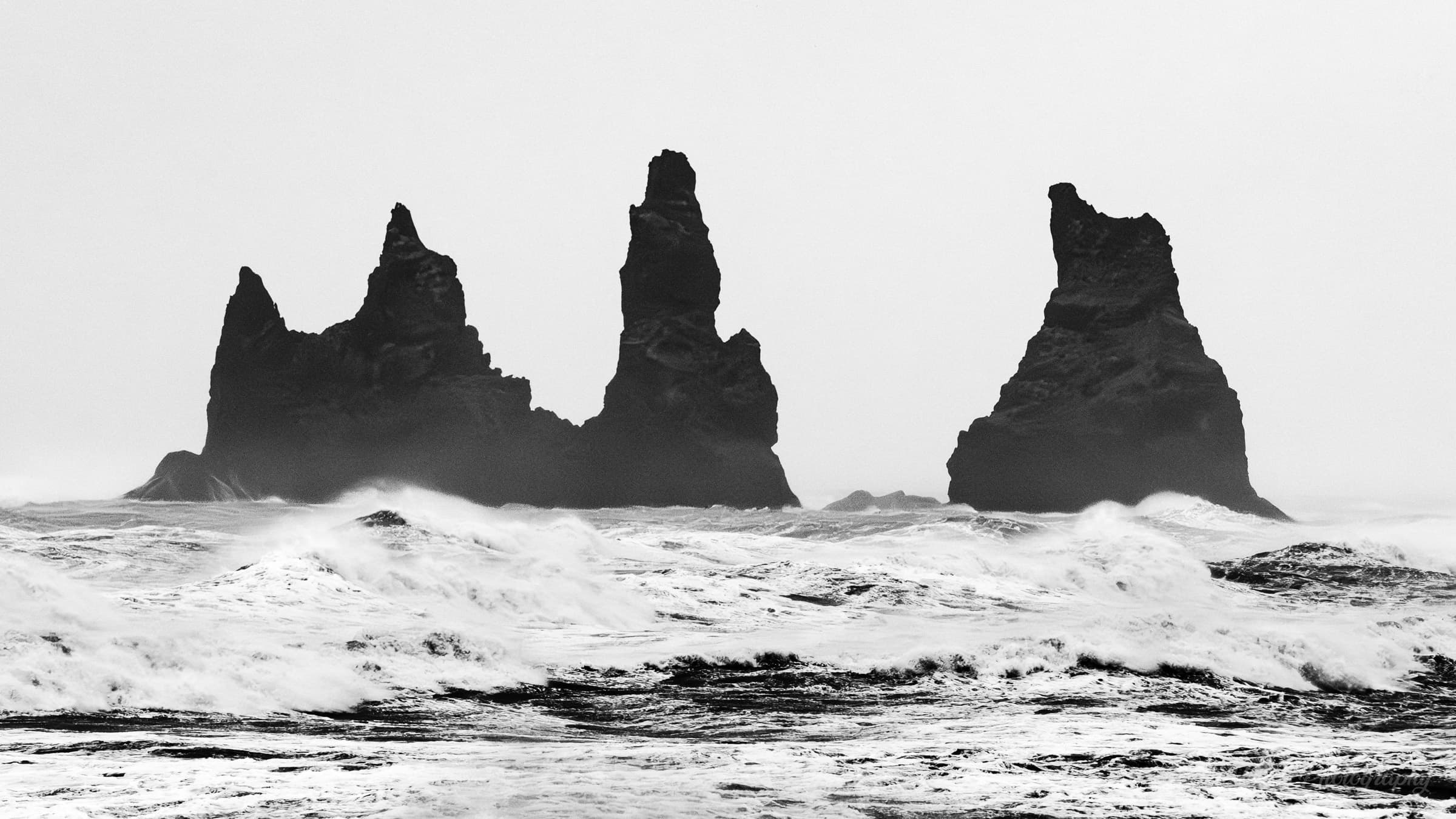
Later, I returned to my hotel to get my backup OM-5 camera, but I decided I had earned the right to continue to shoot handheld to manage the brutal Iceland weather.
Sea stacks on Reynisfjara Beach
OM Digital Solutions OM-5 and Olympus M.40-150mm F2.8 at 100.0 mm (35 mm equivalent: 200.0 mm). 1/200s at f/4.0, ISO 4000.
And what weather! The wind battered the hotel at night, loud enough to wake me, and there were days when just standing upright took effort. At one point, shooting at Skógafoss, the wind battered my clothing so hard that my smart watch told me I'd had a serious fall. It was about to call the emergency number for help.
Waves towards Vestrahorn
OM Digital Solutions OM-5 and LEICA DG SUMMILUX 9mm F1.7 (35 mm equivalent: 18.0 mm). 0.8s at f/16.0, ISO 200.
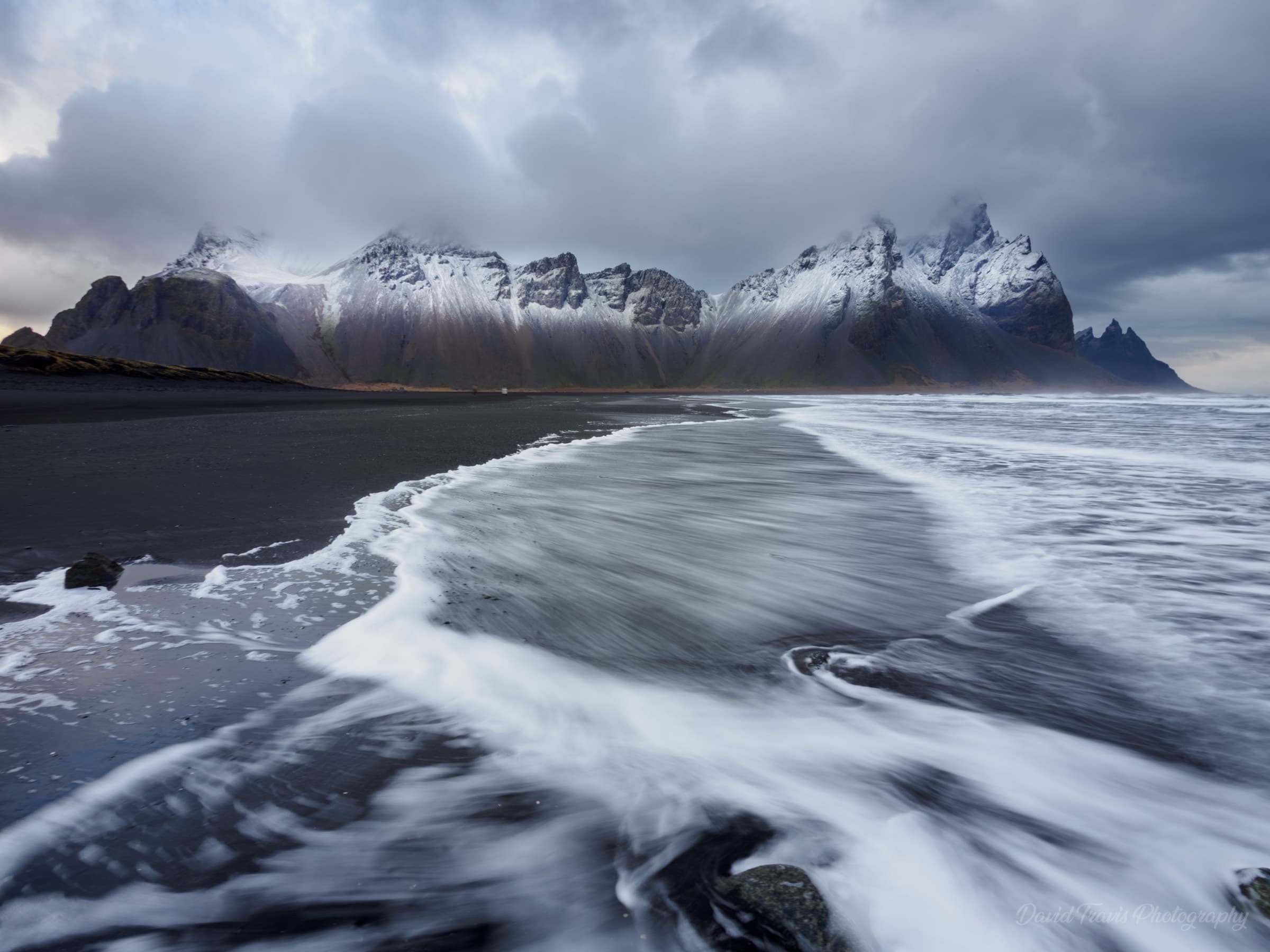
There were mornings when I sat in the vehicle, watching rain lash down, thinking it might never pass. Going out anyway, persisting even when I didn’t want to, became part of the experience.
Vestrahorn panorama
OM Digital Solutions OM-5 and Olympus 12-40mm F2.8 at 12.0 mm (35 mm equivalent: 24.0 mm). 1/60s at f/5.6, ISO 200.
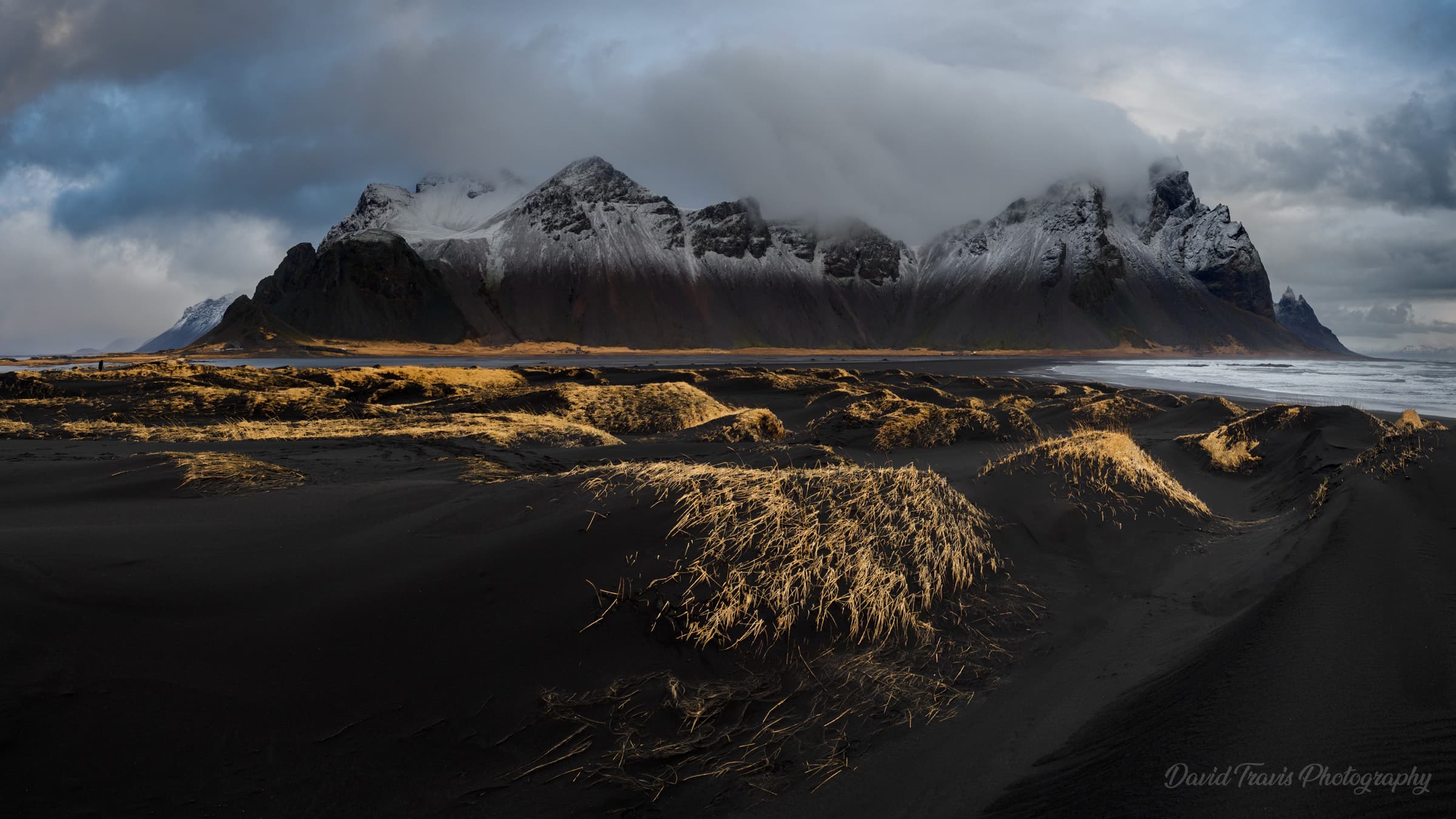
Some places took repeated visits. Persistence paid off at Diamond Beach, not because conditions suddenly became perfect, but because I stayed long enough to understand the landscape, the rhythm of the waves.
Diamond Beach
OM Digital Solutions OM-5 and LEICA DG SUMMILUX 9mm F1.7 (35 mm equivalent: 18.0 mm). 2s at f/6.3, ISO 200.

Other locations didn't always work. Some were too complex. Some were too simple, with little beyond the obvious composition.
Ice cube
OM Digital Solutions OM-5 and Olympus 12-40mm F2.8 at 12.0 mm (35 mm equivalent: 24.0 mm). 1.3s at f/6.3, ISO 200.
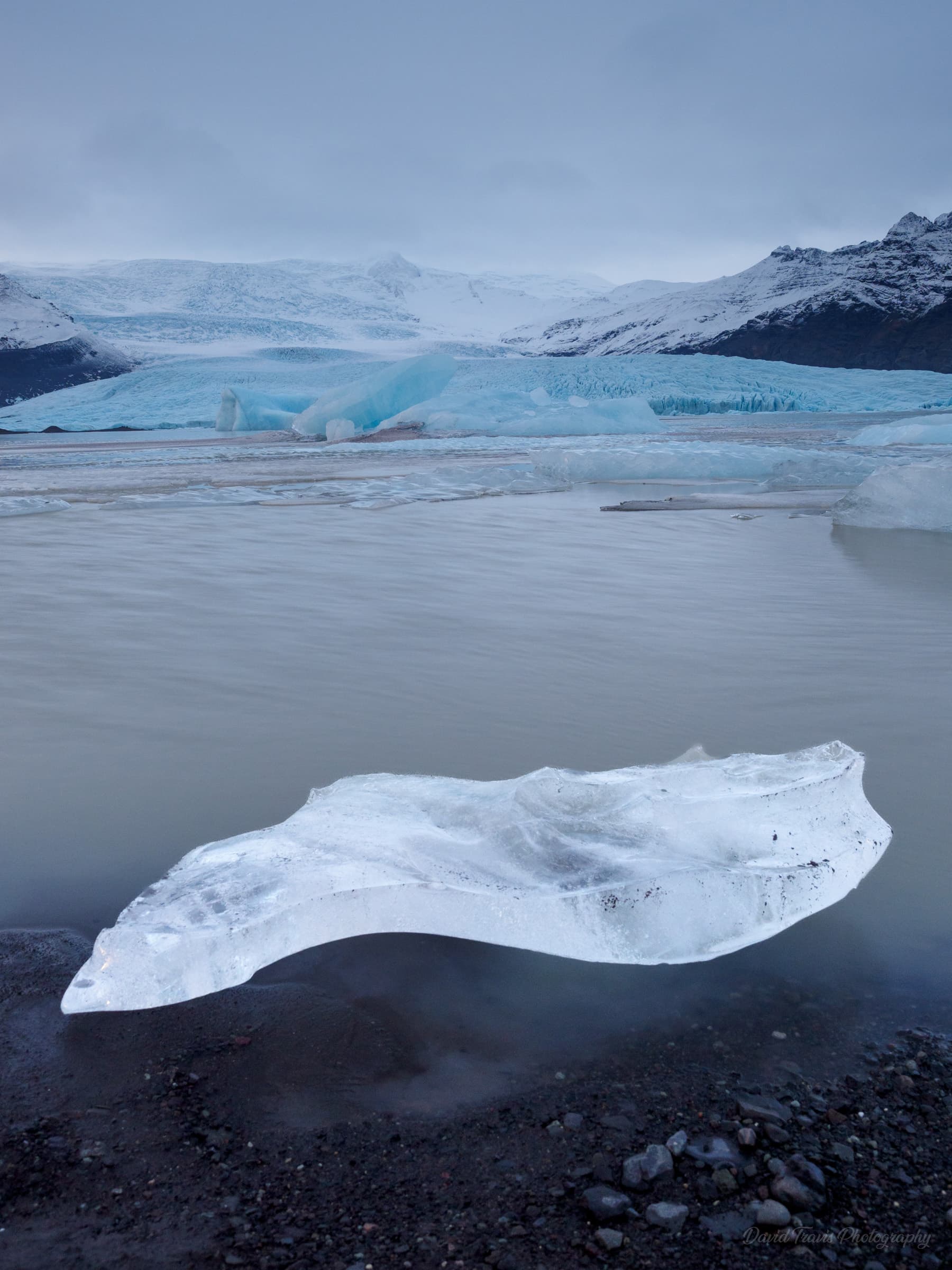
As the days went on, I learnt that movement, not waiting, was my way of dealing with the conditions.
Jökulsárlón
OM Digital Solutions OM-1 Mark II and Olympus 12-40mm F2.8 at 40.0 mm (35 mm equivalent: 80.0 mm). 0.4s at f/8.0, ISO 200.
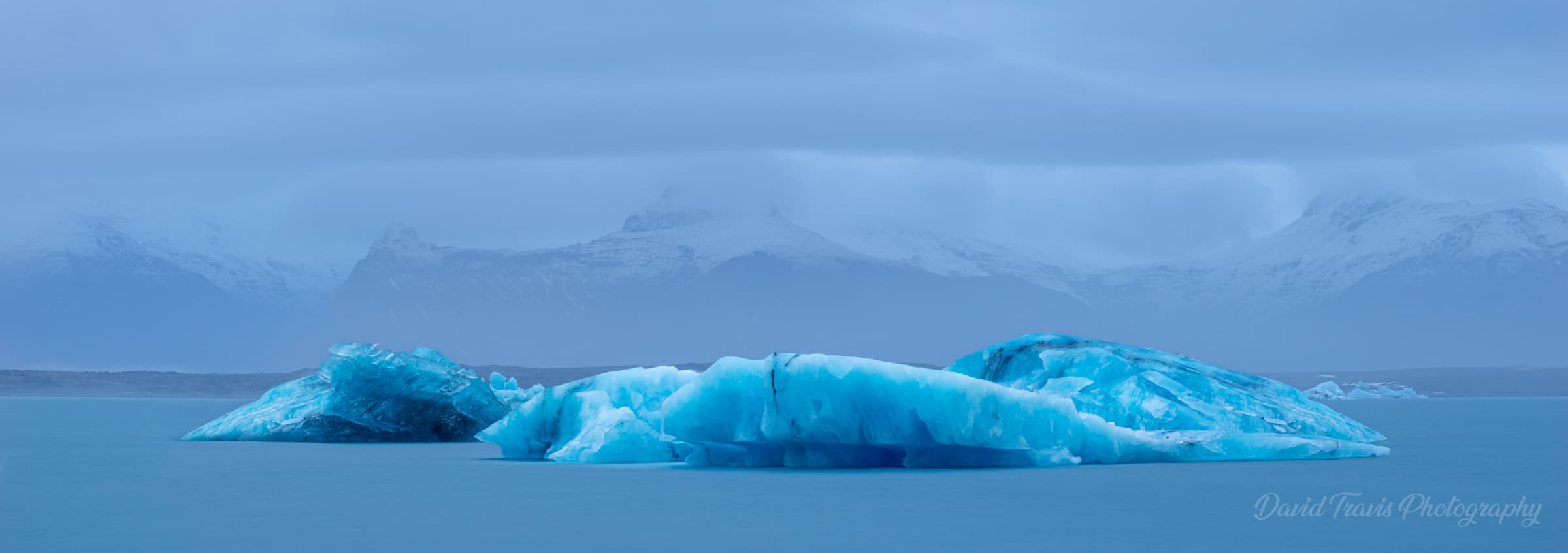
Waiting is often fetishised in landscape photography. Waiting for the light. Waiting for the decisive moment. But to achieve a state of flow, I need to walk and explore. Movement engages me. That isn’t impatience; it’s how I work.
The Scream
OM Digital Solutions OM-5 and M.40-150mm F2.8 + MC-14 at 210.0 mm (35 mm equivalent: 421.0 mm). 1/400s at f/4.0, ISO 200.

That way of working changed what I noticed. For example, this glacier at Fjallsjökull is undergoing catastrophic retreat due to climate change. I used a long lens to get this shot and if you look closely I think you can see a version of Edvard Munch’s ‘The Scream’ buried in the glacier, hence my title.
Vestrahorn ICM
Apple iPhone 17 Pro and iPhone 17 Pro back camera 6.8mm f/1.8 (35 mm equivalent: 24.0 mm). 2s at f/1.8, ISO 200.
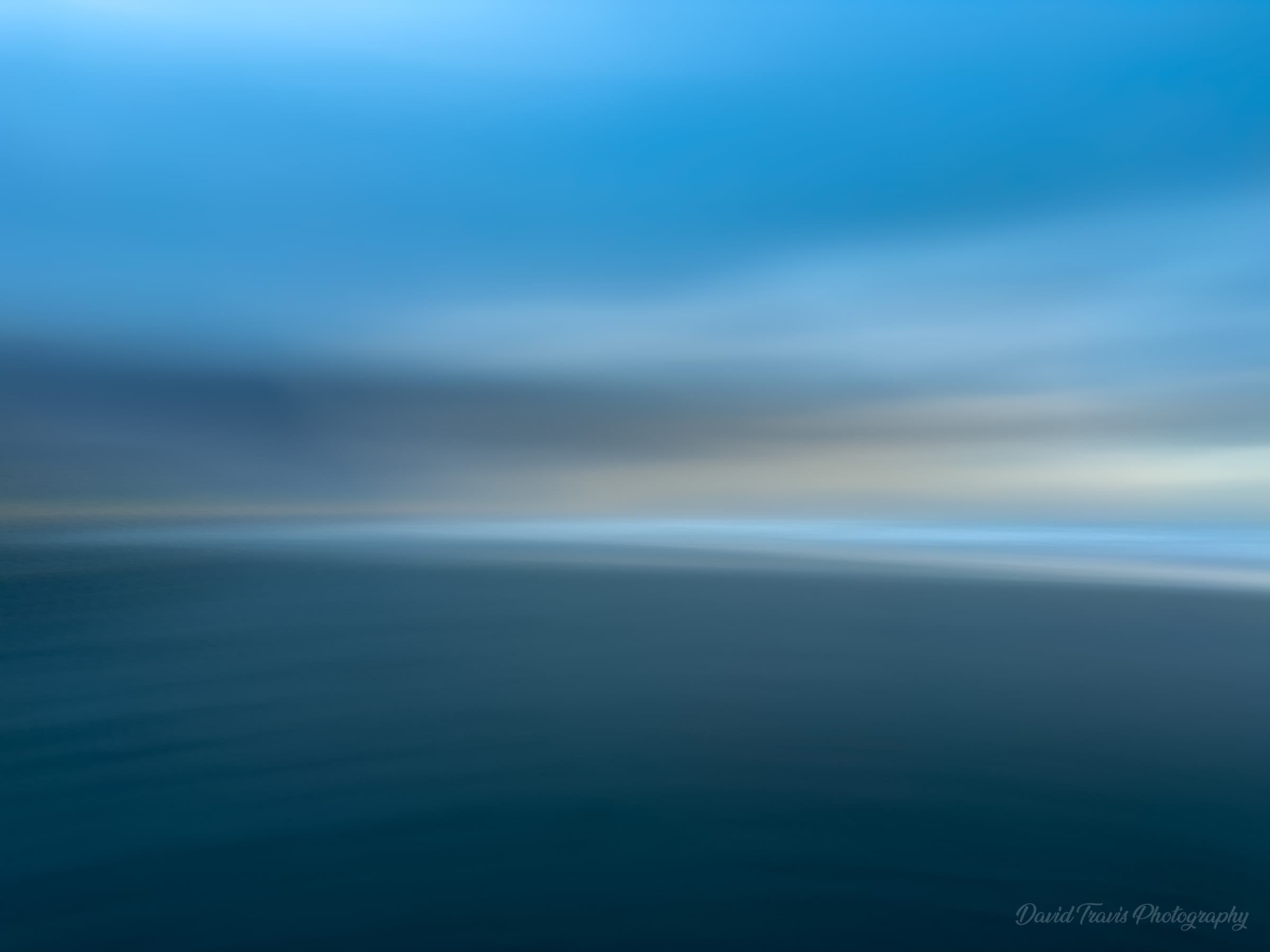
On the flight home, I worried if I had enough images for a book. But persistence paid off. These photographs exist because I didn’t retreat when conditions were wrong or when the experience became uncomfortable.
Sunset over Fjallsárlón
OM Digital Solutions OM-5 and Olympus 12-40mm F2.8 at 12.0 mm (35 mm equivalent: 24.0 mm). 1/25s at f/6.3, ISO 200.
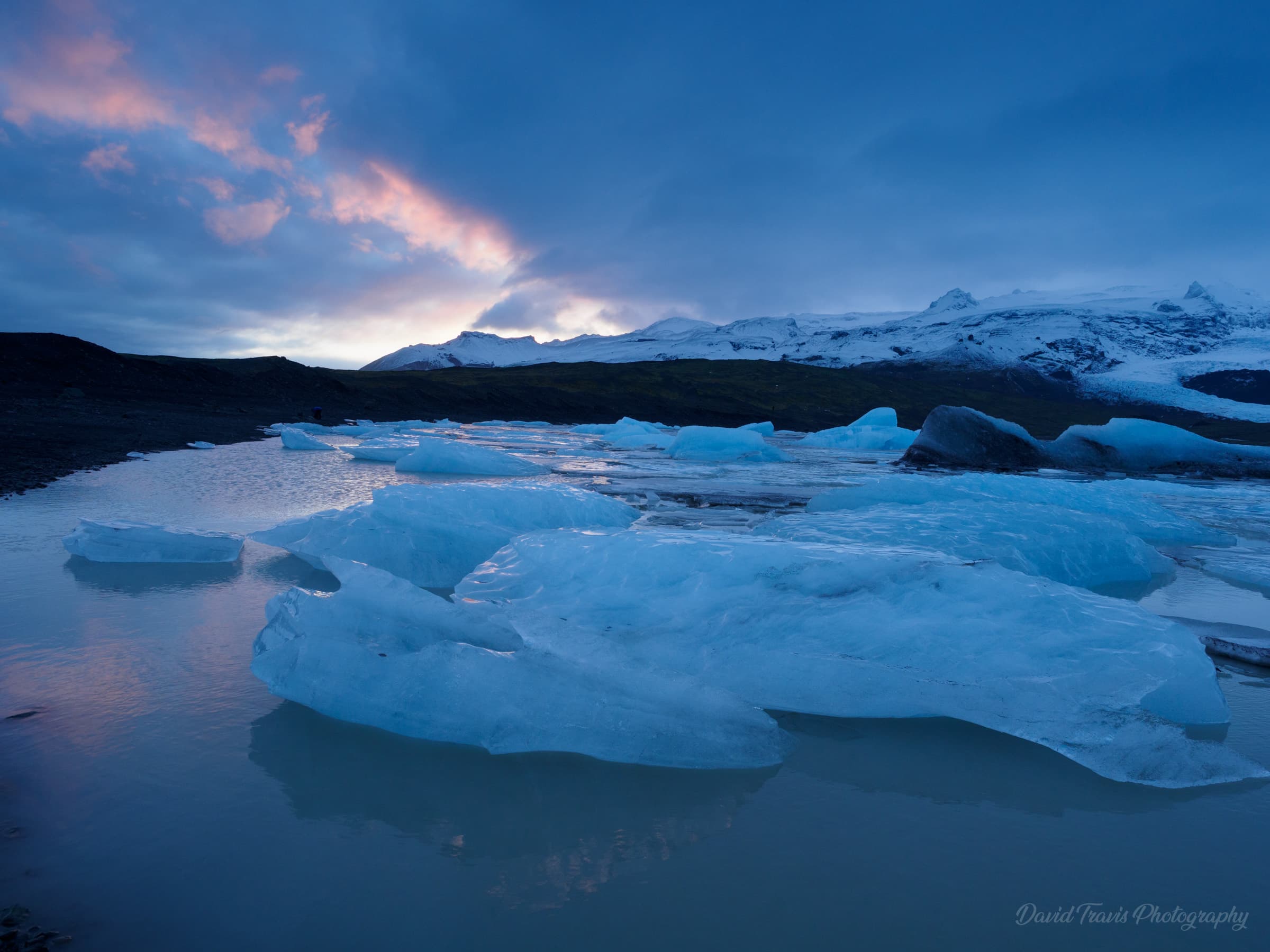
I learned that if I keep taking photographs every day, whatever the weather, those days turn into something.
Awe
OM Digital Solutions OM-5 and Olympus 12-40mm F2.8 at 14.0 mm (35 mm equivalent: 28.0 mm). 1/5s at f/7.1, ISO 200.
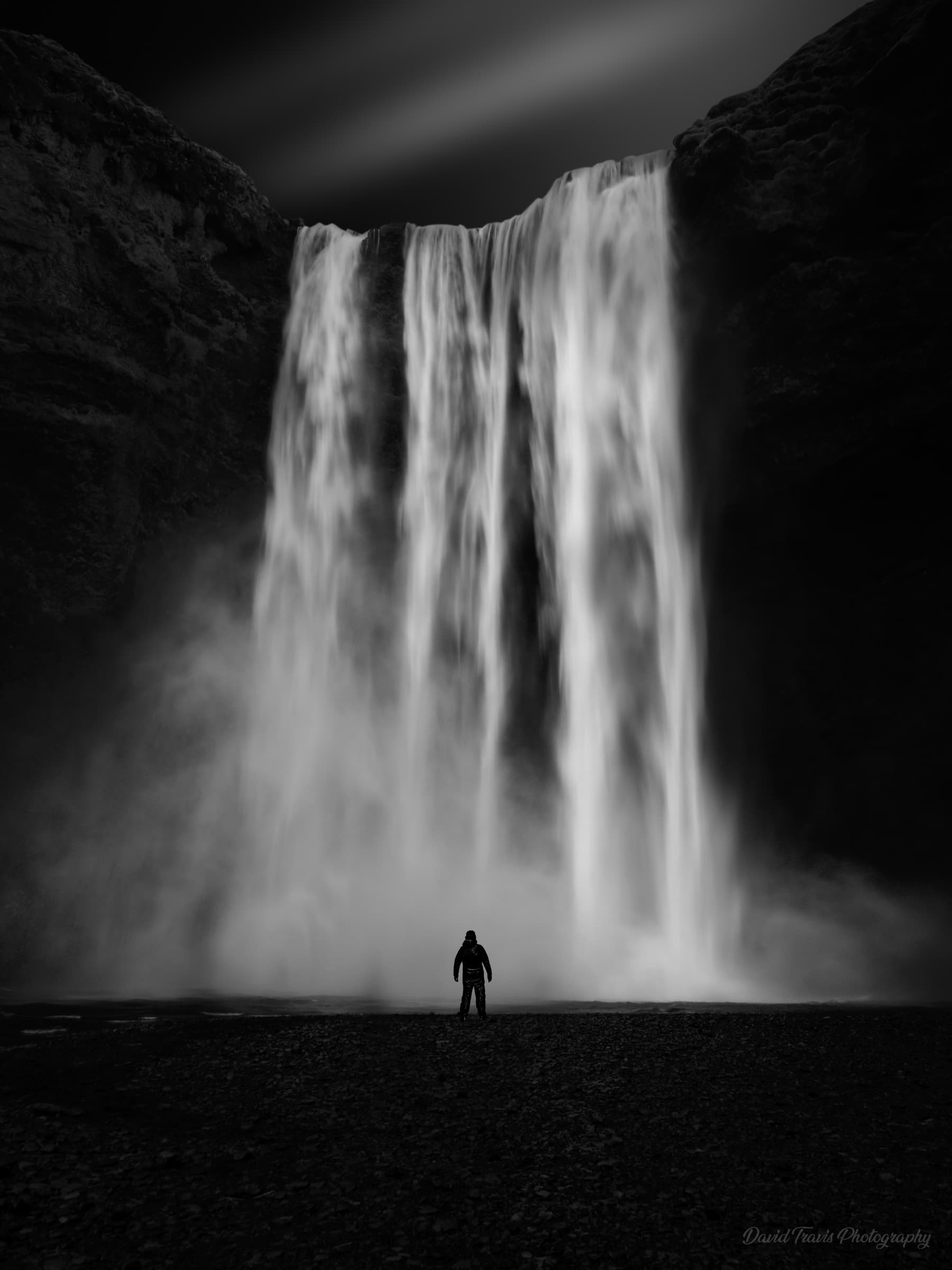
There's a more prosaic argument for getting out in bad weather: sometimes you have just one chance to get the shot. The conditions right now may be far from perfect. You might persuade yourself to come back later. But later isn't necessarily better; this may be as good as it gets.
Reyniskirkja Church
Apple iPhone 17 Pro and iPhone 17 Pro back triple camera 16.9mm f/2.8 (35 mm equivalent: 200.0 mm). 1/240s at f/2.8, ISO 40.
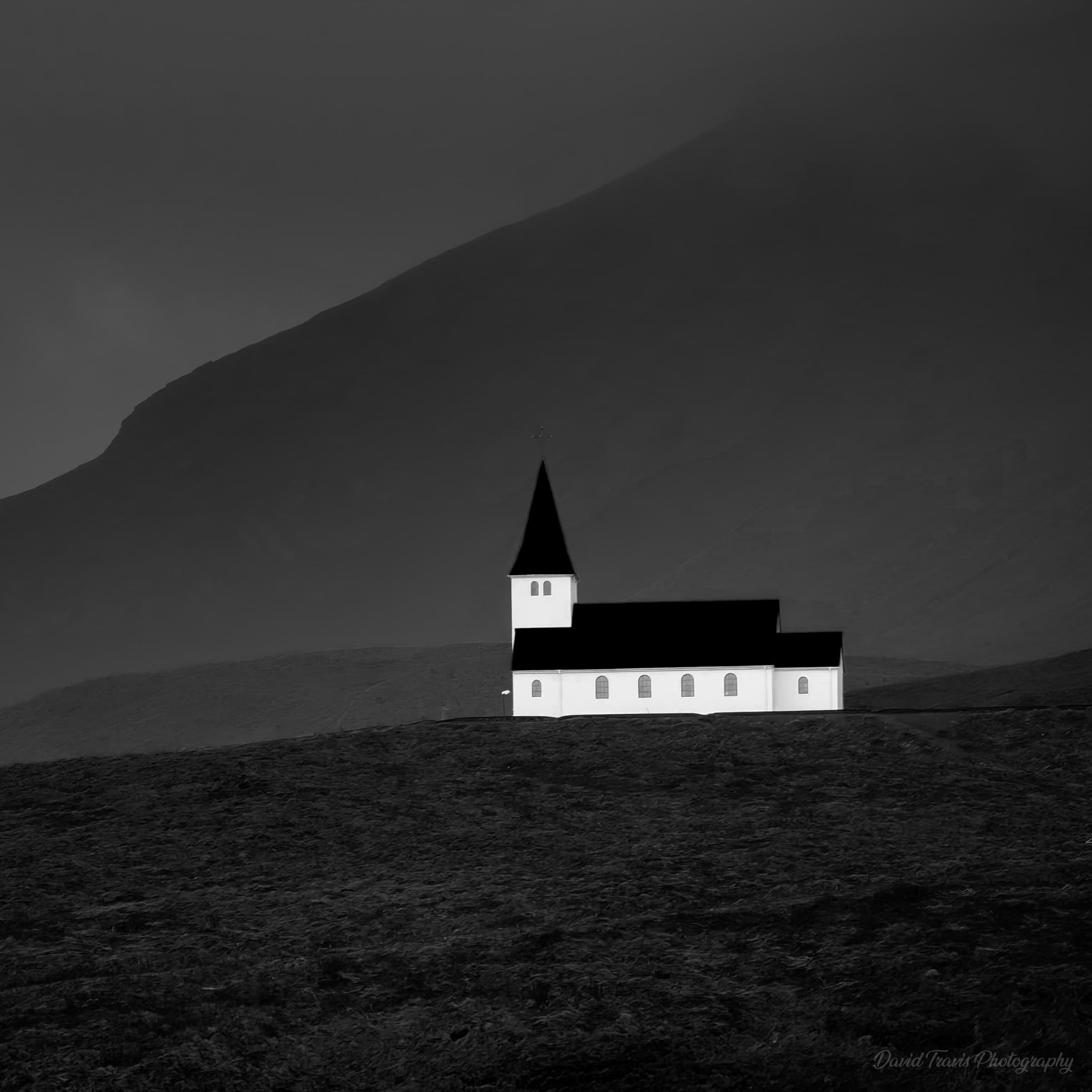
As an example, I took this picture of Reyniskirkja Church with my iPhone early in the trip when I stopped for lunch. This is better than the picture I took with my OM-5 at the end of the trip when the wind made handholding nearly impossible. Because I knew I would be revisiting, I didn't get my camera bag out the first time I was here. That was a mistake. (And of course my preferred camera was broken when I returned). Carpe diem!
Seljalandsfoss
OM Digital Solutions OM-5 and Olympus 12-40mm F2.8 at 40.0 mm (35 mm equivalent: 80.0 mm). 1/400s at f/5.6, ISO 200.
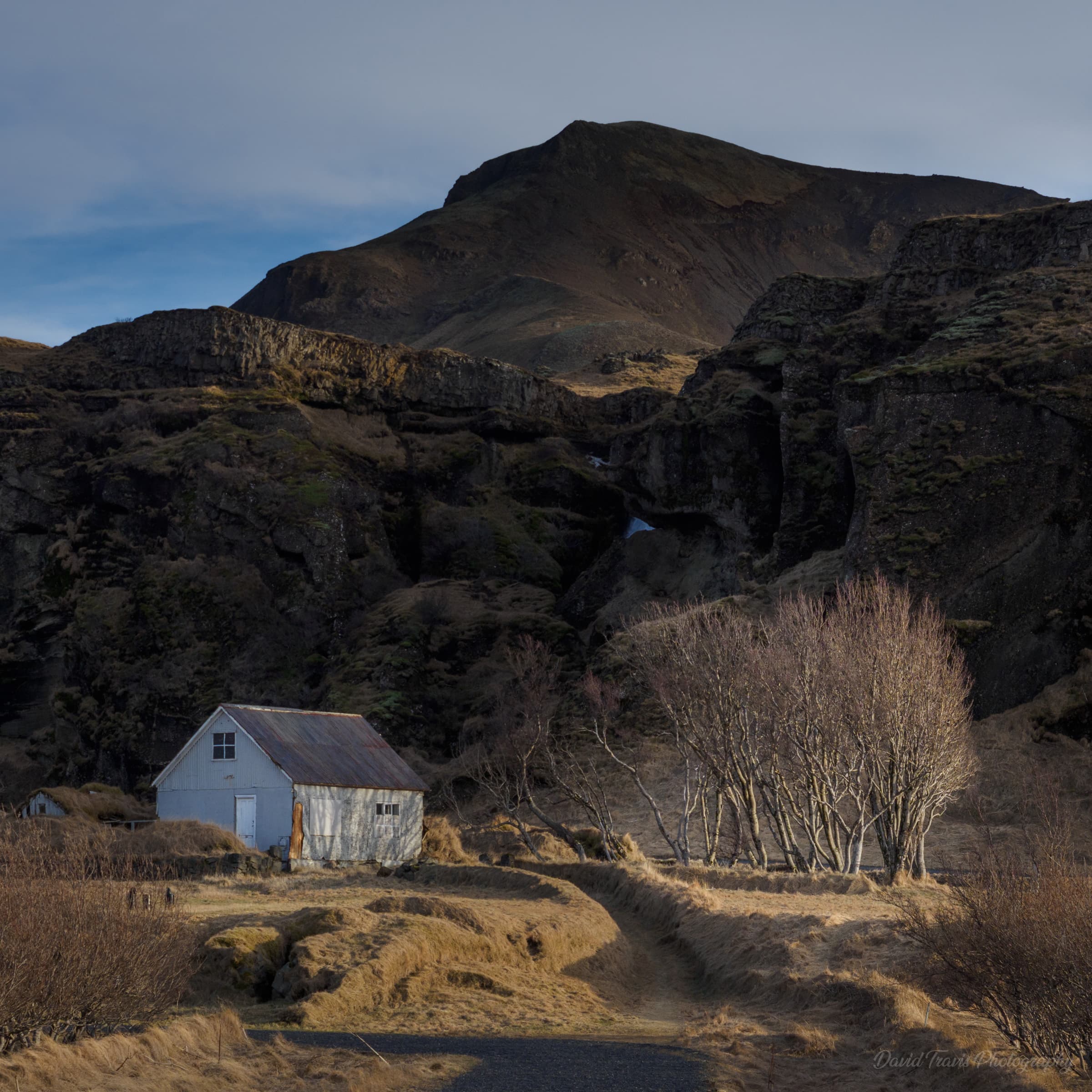
Persistence isn’t about heroic effort or waiting for the landscape to cooperate. It’s about staying present, adapting how you work, and accepting that the difficult conditions you’re experiencing right now may never get any better. These images, and those in my new book, Iceland, are the result of that acceptance.